Royal Hotel Carlton
Bologna - Via Montebello, 8
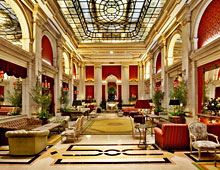
Just 300 metres from Bologna Train Station, the Royal Carlton offers elegant rooms with flat-screen satellite TV.
Book now
Emilia-Romagna is one of Italy’s most captivating regions, boasting an extraordinary variety of landscapes and attractions that range from the Apennine mountains to the beaches of the Adriatic Riviera. Located between northern and central Italy, the region extends from the Po Valley to the Apennines and also features a splendid coastline overlooking the Adriatic Sea. Thanks to its strategic position, Emilia-Romagna has become a major tourist destination, offering both seaside and cultural experiences, with art cities, historic villages and renowned coastal resorts. One of the most important decisions to make when visiting this region is undoubtedly deciding where to stay, and this choice also depends on the type of holiday you’re planning: cultural, relaxing, adventurous or food-focused.
Beyond being easily accessible, Emilia-Romagna is also a land of great hospitality and boasts a unique gastronomic and wine heritage that’s renowned worldwide. To this can be added its high level of services and a wide range of accommodation options of different types and price ranges. From luxury hotels to small B&Bs, from beachfront campsites to thermal spas: the region is able to meet the needs of different types of travellers. With this in mind, it’s clear that planning a trip to Emilia-Romagna requires making some choices. For example, you can select different cities to stay in, or you can choose one location as a base and make day trips from there.
Obviously there’s no one-size-fits-all approach for all travellers, since much of the planning depends on the type of holiday you want to have, the length of your stay and the means of transport at your disposal. Moreover, thanks to excellent infrastructure and ease of travel, regardless of where you choose to stay, you can visit many of the region’s most important destinations. To help you understand how to structure your trip and find the best solution for your needs, we’ve put together a short guide to the different areas where you can stay. We’ve divided the region into different zones and listed the must-see locations, activities to enjoy and the various accommodation options available.
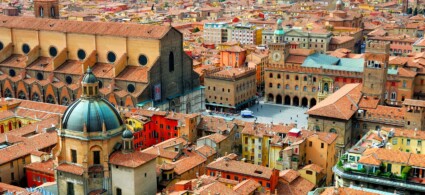
Although the stops and activities on your trip depend very much on the type of holiday you want to have, there are certainly destinations in Emilia-Romagna that are well worth visiting, such as Ravenna and Ferrara, two UNESCO World Heritage cities, and Bologna, which is home to one of Europe’s oldest universities. Bologna, for example, is a city that preserves many sites of great historical and architectural importance and is also a major motorway and rail hub. From here, you can also easily explore charming small towns and localities such as Bentivoglio, Lugo and Casalecchio sul Reno with its famous weir.
Those who come to Emilia-Romagna to discover its magnificent gastronomic heritage cannot miss cities like Parma, Reggio Emilia and Modena, which are famous for producing items such as prosciutto, Parmesan cheese and balsamic vinegar that have become renowned worldwide. Here you can not only taste high-quality products but also understand how they are made, often drawing on centuries-old customs that have been passed down through families for generations. These are complemented by small villages that preserve a unique atmosphere and keep ancient traditions alive, such as Brisighella with its Rocca Manfrediana, Dozza with its murals, or Bobbio, home to an ancient and famous abbey.
Bologna is the capital of the region and a city of great charm with a long history, its historic centre gathered around ancient medieval walls that enclose numerous architectural and cultural treasures. At the heart of the city is Piazza Maggiore, the majestic Basilica of San Petronio and the two iconic towers, the Asinelli and Garisenda towers, undisputed symbols of its glorious past. Don’t miss its striking porticoes, which lead to the Sanctuary of Madonna di San Luca and, for their beauty, have been listed as a UNESCO World Heritage site.
If you want to explore Bologna, the best option is to stay in the centre in the area around Piazza Maggiore, Saragozza or Santo Stefano, since the city is best explored on foot, wandering through its lively streets. Bologna offers a wide and varied selection of accommodation, from large hotels to boutique hotels and more budget-friendly options, especially in the university area. Be careful about staying in the University City area, though, as with its large number of bars and clubs, it can be quite noisy in the evenings. If you need to travel a lot by train, it may be convenient to stay near the Central Railway Station, although there are no attractions nearby and Piazza Maggiore is about 15 minutes’ walk away.


Ravenna is an art city known for its Early Christian monuments, richly decorated with mosaics that have been declared UNESCO World Heritage sites. Those wishing to explore the city and its splendid attractions will find the historic centre an ideal place to stay, thanks to the presence of hotels and B&Bs near the main monuments, such as the Basilica of San Vitale and the Mausoleum of Galla Placidia. Those preferring to be close to the sea can opt for the coastal towns of Marina di Ravenna and Punta Marina, where there are numerous beachfront structures and equipped residences.


Modena, a jewel of Emilia-Romagna, stands out for its exceptional Romanesque architectural heritage and its medieval historic centre, recognised by UNESCO. Travellers interested in discovering the city’s attractions will find the perfect accommodation in the heart of the historic centre, with a wide choice of guest facilities just steps away from the magnificent monumental complex of Piazza Grande, dominated by the Cathedral and the Ghirlandina Tower.
For those seeking a more exclusive atmosphere, the residential areas around the Palazzo Ducale offer elegant accommodation in historic residences, immersed in the greenery of tree-lined avenues and surrounded by treasures of Este architecture.


Parma, the Italian capital of the Food Valley, combines a precious artistic heritage with a renowned gastronomic tradition that has earned it UNESCO recognition as a Creative City. Art and culture lovers will find the historic centre the ideal location, with numerous guest facilities that allow you to reach on foot the main treasures of the city, from the magnificent complex of Piazza Duomo to the Regio Theatre.
Those preferring to discover the city’s more authentic soul can choose the Oltretorrente, a historic and characterful neighbourhood, or the Ducal Park area, where ancient aristocratic palaces house refined charming hotels.


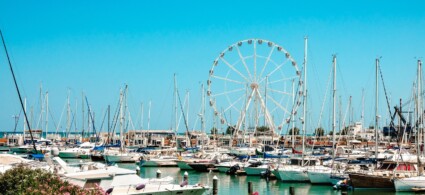
The Romagna Riviera is one of Italy’s most popular seaside destinations, attracting many tourists from abroad each year thanks to its long sandy beaches, lively nightlife and numerous summer events. The Romagna coast is characterised by resorts such as Rimini, Riccione and Ravenna, with a vast range of accommodation ranging from luxury hotels to campsites, from B&Bs to holiday homes. The area is ideal for those seeking a holiday of entertainment and vibrant nightlife, but also for families, thanks to numerous services and equipped beaches.
For nightlife enthusiasts, the Romagna Riviera is considered paradise, as it is home to some of Italy’s most famous nightclubs, such as the Cocoricò in Riccione, the Peter Pan in Misano Adriatico, the Kursaal in Cervia and finally the Papeete in Milano Marittima. This area also features several amusement parks such as Mirabilandia in Lido di Savio, Aquafan and Oltremare in Riccione and Italia in Miniatura in Rimini.
Rimini is famous for its nightlife and beaches, but also offers a rich historical and cultural heritage, with the Arch of Augustus, the Bridge of Tiberius and many other sites that tell its long history. For a more cultural stay, it’s recommended to stay in the historic centre near the central Piazza Cavour, which is the heart of city life. Rimini has long been known as a seaside resort, as it was here that Italy’s first bathing establishment was opened in 1873.
Many accommodation options can be found along the coast, where you can choose between 3 or 4-star hotels directly on the beach, resorts with pools and residences. The main beach is Marina Centro, which is also the most vibrant area and very popular with those who love the good life, while Viserba and Rivabella are better suited to those seeking peace and quiet with easily accessible services.


Another important town on the Romagna Riviera is undoubtedly Riccione, a destination synonymous with fun and relaxation, with its equipped beaches, water parks and numerous nightlife venues. The most popular accommodation is found in the Lungomare della Libertà area, where resorts and boutique hotels with sea views stand. Families will find numerous residences and tourist villages equipped for children, whilst young people looking for fun can opt for more budget-friendly hotels or holiday homes. There are also campsites, which are ideal for those who like to enjoy a seaside stay in freedom surrounded by nature.


Milano Marittima is perhaps one of the most exclusive resorts on the Romagna Riviera, as it was developed in the twentieth century as a seaside destination for Milan’s upper classes and has since maintained its reputation as a glamorous and sought-after destination. The accommodation available in Milano Marittima is of a mid to high level, with a wide choice of 4 and 5-star luxury hotels, exclusive resorts and boutique hotels.
There are also more budget-friendly options such as B&Bs and apartments, but overall the resort tends to be more expensive than other areas of the Romagna Riviera. However, the level of comfort and services offered by the facilities are high and ideal for those wishing for a sophisticated and comfortable holiday.


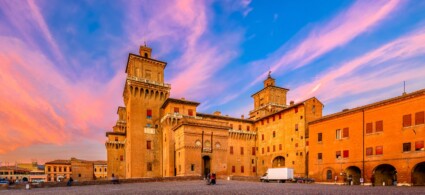
The province of Ferrara, with its charming towns and the Po Delta Park, offers visitors a perfect blend of history, culture and nature. Ferrara, a Renaissance city par excellence, is a UNESCO World Heritage Site and takes you on a journey through the past, with its historic palaces, castles and ancient walls. Not far from the provincial capital lies the town of Comacchio, a lagoon village with great charm and a long history, often called the “little Venice” for its canals.
South of Comacchio’s historic centre are the Comacchio Valleys and its salt marshes, which can be explored on foot, by bike or by boat. The Ferrara coast, with Comacchio and its famous Lidi, is also perfect for those seeking the sea without sacrificing services, tranquillity and the beauty of the natural landscape.
In Ferrara, the historic centre is the ideal choice for those who wish to explore the city on foot and immerse themselves in its Renaissance atmosphere with attractions, restaurants and shops within easy reach. Here you’ll find numerous charming hotels, bed and breakfasts located in ancient palaces and boutique hotels with views of the main monuments and high-quality services. The most popular options are located near the Castello Estense, the Cathedral of San Giorgio and along Corso Ercole I d’Este. The city is also home to some historic residences converted into guest accommodations that offer a unique experience for those who love period architecture.
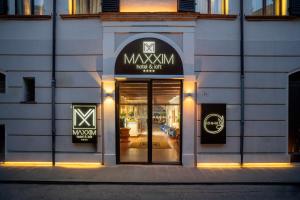

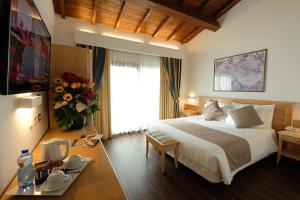
Comacchio is a small water town, often called the “little Venice”, famous for its canals and the Ferrara Lidi, a stretch of coast rich in quiet beaches and nature reserves. Those visiting this area can choose to stay in Comacchio’s historic centre, characterised by small and welcoming facilities, B&Bs and guesthouses with views over the canals. For those who prefer the seaside, the Comacchio Lidi offer a wide range of beachfront hotels, tourist villages and residences equipped for families, couples or groups of friends. In particular, Lido degli Estensi and Lido delle Nazioni are among the most renowned destinations for summer holidays and boast a wide range of accommodation options.


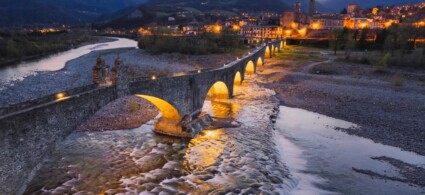
The Apennine Tuscany-Emilia is an ideal destination for those who love nature and outdoor activities thanks to its peaks, green valleys and hiking trails that appeal to active holiday enthusiasts. This area offers numerous accommodation options, from mountain huts to farmhouses surrounded by greenery, from B&Bs to charming hotels. The area is highly appreciated both in winter thanks to its many ski resorts and in summer as an ideal destination to escape the city heat, as well as during the shoulder seasons thanks to its medieval villages rich in history.
The Monte Cimone resort, located in the province of Modena, is a highly sought-after destination for winter sports enthusiasts thanks to its over 50 kilometres of slopes winding between Emilia-Romagna and Tuscany. Among these resorts, Sestola is certainly highly recommended as a place to stay, thanks to its proximity to the lifts as well as the facilities and activities available that make it a highly appreciated destination. Other accommodation options include Vidiciatico, famous for its historic village, and Lizzano in Belvedere, a renowned ski resort.
At Lizzano in Belvedere (Bologna province), you’ll find the Corno alle Scale, the highest peak in the Bologna Apennines and a perfect destination both in winter for ski lovers and in summer for those who enjoy hiking or mountain biking. Here there are countless trails and routes on foot or by bicycle that allow you to spend time immersed in nature and discover fascinating lakes or impressive waterfalls. Don’t forget the numerous small villages with thousand-year-old traditions that seem truly suspended in time and offer the chance to escape the daily hustle and bustle.
Bobbio rises at the foot of Monte Penice and in the centre of an area known as the “Apennine of 4 Provinces”, where the mountains of the provinces of Piacenza, Genoa, Alessandria and Pavia meet. It’s a charming medieval village, famous for being an important cultural centre in the Middle Ages thanks to the presence of the Abbey of San Colombano, an ancient monastery founded by an Irish monk. The town boasts a compact and human-scale centre that’s a pleasure to explore on foot, whilst the surrounding area offers paths immersed in nature.
Bobbio is the ideal place to stay for those who love hiking or cycling or activities in contact with nature and discovering the territory. Here you’ll find several small accommodation facilities such as charming hotels, bed and breakfasts and farmhouses that offer great hospitality and the chance to discover ancient traditions and local products. In winter it’s possible to ski at the Monte Penice complex where you can also enjoy cross-country skiing or hire snowshoes.
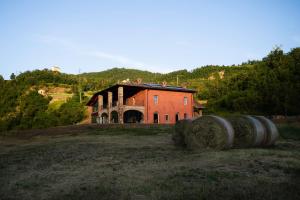

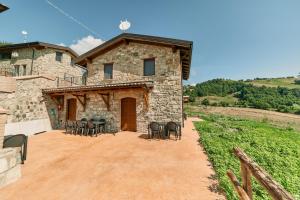
The Reggio Apennines is an area with truly ancient history that has managed to preserve numerous testimonies of the medieval era and the many events that took place. One of the countries that played a leading role during that period is undoubtedly Canossa, with its castle famous for the historic encounter between Emperor Henry IV and Pope Gregory VII. Although only a few ruins remain today, the place is steeped in charm and history, with spectacular views over the Emilia hills.
History and hiking enthusiasts can also walk the Sentiero Matilde, one of the most important routes in the Apennine Tuscany-Emilia that allows you to visit churches, ancient villages, castles and fortresses. At Canossa, visitors can choose to stay at one of the farmhouses or bed and breakfasts located among the hills that offer hospitality and accommodation as well as the chance to experience many authentic experiences.


Located in the province of Parma, Compiano is another enchanting village known for its imposing castle that dominates the valley and offers an unforgettable panoramic view. For its charm, preservation and unique environment, Compiano has been included in the “Most Beautiful Villages in Italy” circuit.
The village is still enclosed within a ring of walls and has preserved a unique medieval atmosphere, with narrow alleyways and stone houses that create an evocative setting. Compiano’s accommodation facilities include small hotels, farmhouses and bed and breakfasts located near the historic centre and often housed in historic buildings or country houses.


Use the form below to check room availability and prices in real time.
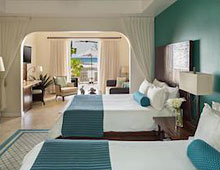 Hotel
Hotel 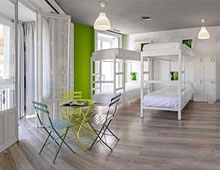 Budget accommodations
 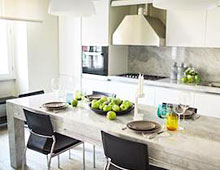 Apartments
 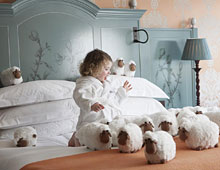 Family Hotel
  Luxury Hotel
  Resorts