Hotel Ristorante Ala d'Oro
Lugo - Corso Matteotti 56
Book now
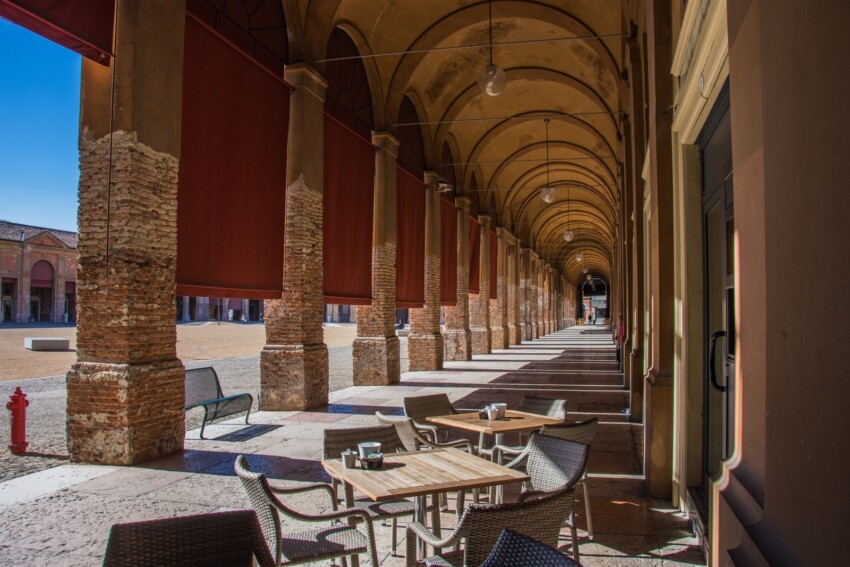
An evocative hub in the Ravenna district, Lugo is a destination offering a unique blend of history, culture and tradition, and an unmissable stop for anyone keen to explore the authentic beauty of Emilia-Romagna. Lugo’s history stretches back to ancient times, as the territory has been inhabited since the Palaeolithic era. Following Roman rule, it became part of Regio VIII Aemilia, along the Via Emilia. The name “Lugo” likely derives from the Latin “Lucus”, meaning “sacred wood”, suggesting the area may have been an important place of worship in pre-Christian times. Over the centuries, Lugo was also called Lugo di Romagna or Lugo di Ravenna to distinguish it from other similarly named locations.
It was only in the Middle Ages that a settlement is first recorded, around 1037, having grown up around a castrum. Over subsequent centuries, Lugo became a strategic centre for controlling the territory, thanks to its position between Ravenna and Bologna, and was frequently contested as a result. During the thirteenth century, the city came under the control of the Papal States but was also dominated by the Da Polenta, lords of Ravenna, and later by the Visconti of Milan. From 1437, Lugo fell within the domains of the Este family, who governed the city almost unopposed until the arrival of Napoleonic troops in the eighteenth century. During the Este period, Lugo experienced significant development thanks to the construction of important public and religious buildings and the establishment of a market that made the city an important commercial hub.
What Lugo is truly famed for, however, is being the birthplace of Francesco Baracca (9 May 1888 – 19 June 1918), one of Italy’s leading pilots during the First World War. The story and courage of Baracca is remembered throughout the city, particularly through its main square, which has been dedicated to him. Beyond its history, Lugo is renowned for its traditions, expressed through fairs, events and activities such as the weekly market in Piazza Baracca and numerous festivals celebrating local produce.
Compact yet welcoming, Lugo is a town that can be comfortably explored on foot, allowing you to fully appreciate the vibrant atmosphere that characterises the place and its centuries of history. The heart of Lugo is undoubtedly the central Piazza Francesco Baracca, from which streets radiate out, revealing monuments, fortresses and ancient churches.
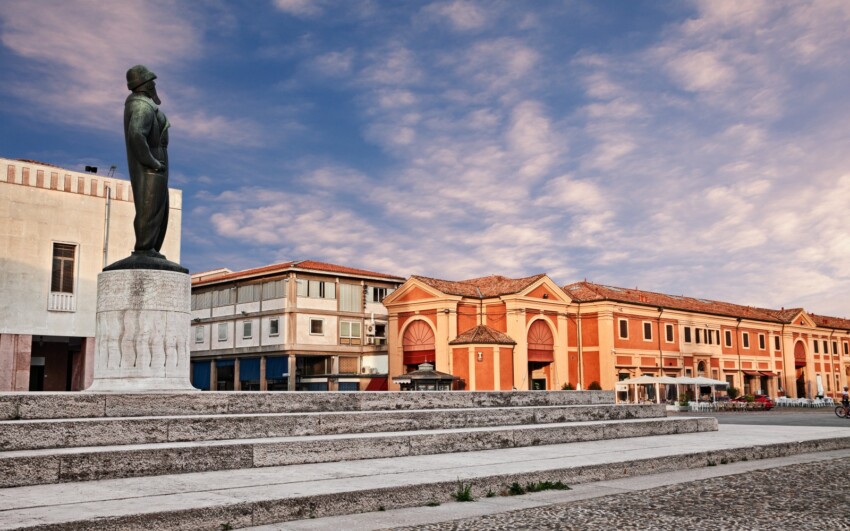
As mentioned, one of the city’s most significant places is undoubtedly Piazza Baracca, dedicated to Francesco Baracca, a hero of Italian aviation in the First World War born in Lugo in 1888. This spacious square, surrounded by elegant porticoed buildings, is home at its centre to a monument known as “Baracca’s Wing“, created in 1936 by Roman sculptor Domenico Rambelli. The sculpture features a large aeroplane wing alongside a statue of the pilot, inscribed with the dates and locations of his aerial victories.
The square also hosts the weekly market, held since medieval times every Wednesday, when it comes alive with stalls selling local produce, clothing, crafts and much more. The market is undoubtedly a perfect opportunity to immerse yourself in the city’s daily life and discover the flavours and traditions of the area.
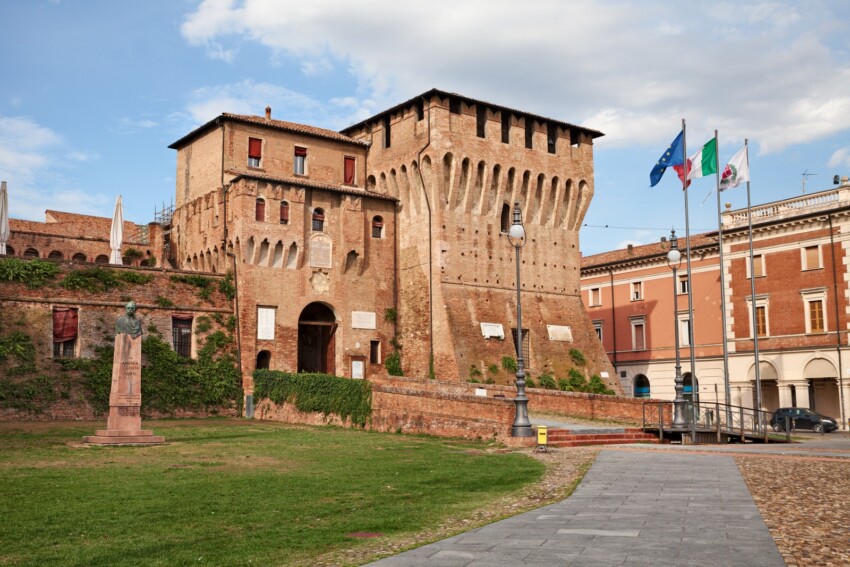
Undoubtedly the symbol of the city is the Rocca Estense, an imposing medieval fortress and one of the finest surviving examples of Este military architecture. Built in the thirteenth century, the Rocca was enlarged and fortified in the sixteenth century by the Este family, who made it not just part of the defensive system but also one of their residences. The complex we see today is the result of works carried out in the sixteenth century, with the exception of the keep known as “Uguccione della Faggiola”, dating to the late thirteenth century.
The Rocca is a massive square-plan building, surrounded by a broad moat, and now houses the municipal administration. Within, you can visit several rooms, notably the Council Chamber decorated with frescoes celebrating the city’s history and the Este family. Also worth seeing is the Prison Tower, from which there is a splendid panoramic view over Lugo and its surroundings, and the Hanging Garden, dating to the late eighteenth century.
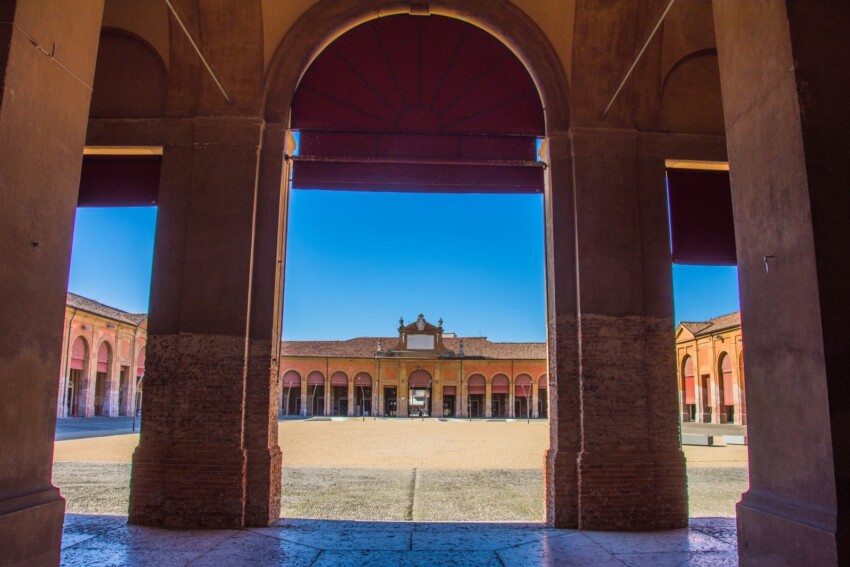
The Pavaglione is a large rectangular loggia erected from 1570 onwards at the behest of Duke Alfonso II d’Este to accommodate merchants during the weekly market. Over time, the structure underwent various alterations, and what we see today is a quadriportico dating from the eighteenth century, considered a masterpiece of neoclassical architecture. For years, the market for Lugo’s silk cocoons was held here, counted among Italy’s most important.
Now, within its long rows of columns, which create a striking scenic effect, a lively cultural centre has been established, alongside shops, exhibition spaces and a few cafés. Additionally, during summer, events, concerts and festivals take place. Visiting the Pavaglione is a unique experience, immersing you in the city’s history and culture, breathing in the vibrant and welcoming atmosphere of Romagna.
Inaugurated in 1761, Teatro Rossini in Lugo is one of the region’s most important historic theatres, having undergone various restoration works over the centuries whilst maintaining its elegance and charm intact. Initially, the building was constructed between 1757 and 1759 by architect Petrocchi, then completed in 1761 by Antonio Galli Bibiena. The theatre is dedicated to Gioachino Rossini (1792–1868), the celebrated Italian composer who spent part of his life in Lugo.
The theatre’s interior is a true gem, with its horseshoe-shaped auditorium comprising four tiers of boxes, plus the gallery. A recent restoration has revealed some splendid eighteenth-century decorations and marvellous frescoes adorning the first three tiers of boxes, created by Leandro Marconi in 1819. Teatro Rossini hosts each year a rich season of opera, ballet, concerts and theatrical performances, attracting enthusiasts from across the region.
The Collegiate Church of Saints Francis and Hilary is one of Lugo’s most important churches and was constructed in the thirteenth century, then enlarged and restructured multiple times until it assumed the Baroque appearance we see today.
Externally, the façade features a portico in neoclassical style designed by architect Cosimo Morelli. Inside, it is articulated by four chapels per side that preserve eighteenth-century works of great merit. Within are numerous works by local artists, notably the altarpiece canvas depicting Saint Francis, painted in the mid-eighteenth century by Benedetto dal Buono (Lugo, 1711–1775).
In what was once the home of pilot Francesco Baracca, a museum has now been established recounting part of his life and military career, culminating in his gold medal for military valour.
The building was reconstructed in Liberty style by the family and then donated to the municipality for the creation of a house-museum where testimonies, objects belonging to the hero and period documents could be displayed. The museum also houses an SPAD VII, a 1917 aircraft on which Francesco Baracca achieved some of his victories.
The house that the Rossini family inhabited until 1790 is today a museum dedicated to the celebrated Italian composer and his artistic life. The Rossini House-Museum is divided into four main rooms arranged over two floors that recount the artist’s life with a central thread of his passion for music. Moreover, the visit allows you to discover other passions Rossini held besides music, such as cooking.
In the following map you can see the location of the main places of interest mentioned in this article.
Lugo offers various accommodation options suited to every type of traveller: from those seeking an experience characterised by comfort and high-level services to those preferring more economical and informal solutions. Lugo’s historic centre is the ideal place to stay if you wish to be near the city’s main attractions as well as restaurants and shops.
Those preferring a quieter setting immersed in greenery can opt for one of the country farmhouses situated around Lugo. These facilities offer a relaxing atmosphere and the opportunity to live in contact with nature whilst remaining close to the city.

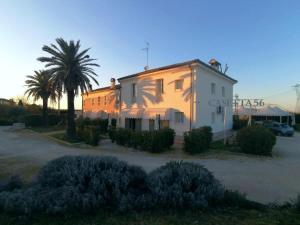

Thanks to its strategic position in the heart of Romagna, Lugo is easily reached from various Italian cities by car. For those travelling from Bologna, the town is located just a few kilometres from the Imola exit on the A14 motorway linking Bologna to Rimini. From Rimini, the recommended exit is Faenza, from where Lugo is reachable in around 20 minutes. Lugo also boasts a railway station situated just a short walk from the historic centre, along the Bologna–Ravenna railway line, with regional trains connecting the city to Bologna and Ravenna in approximately 30 minutes.
The nearest airport to Lugo is Guglielmo Marconi airport in Bologna, about 65 km from Lugo. From the airport, you can reach Lugo by car via the A14 motorway, or by train, taking a rail connection from Bologna station. Other nearby airports include Rimini airport and Forlì airport, both around an hour’s drive away. Lugo is also well served by bus connections to the major cities of Romagna thanks to various regional and interregional bus lines linking it to Ravenna, Bologna, Ferrara and other nearby locations. Bus services are frequent and represent an economical option for reaching the city.
What's the weather at Lugo? Below are the temperatures and the weather forecast at Lugo for the next few days.
Lugo di Romagna is a charming town positioned strategically, making it both easily accessible and an ideal base for exploring the region. The town sits approximately 30 km from Ravenna, 60 km from Bologna and 80 km from Rimini.
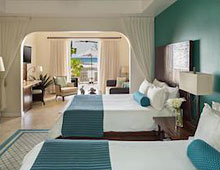 Hotel
Hotel 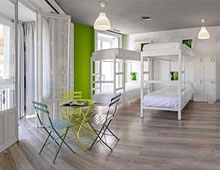 Budget accommodations
 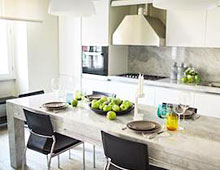 Apartments
 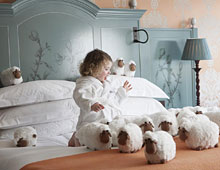 Family Hotel
  Luxury Hotel
  Resorts