Hotel Fidenza
Fidenza - Via Galileo Ferraris 2
Book now
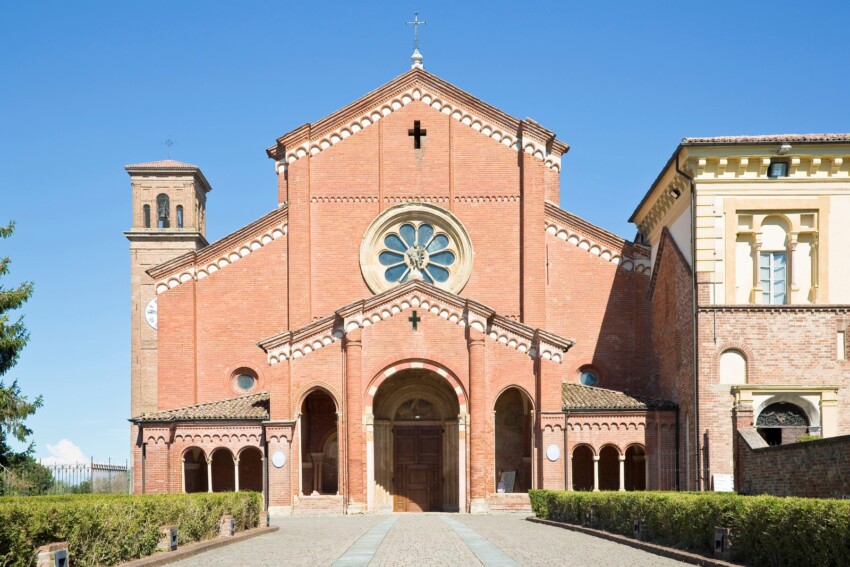
A town with genuinely ancient origins, Fidenza sits in the heart of Emilia-Romagna and is renowned for its rich history, culture and numerous culinary traditions. The city has always occupied a strategic position along the Via Emilia, the historic consular road that connected Rimini to Piacenza, and served as an important commercial and cultural crossroads. Its name derives from the Latin “fidens”, meaning trust, but during the Middle Ages the city was renamed Borgo San Donnino before reverting to Fidenza in 1927. San Donnino, a Christian martyr who died in Fidenza around 296, remained the city’s patron saint and an important figure in local life.
During the Middle Ages, Fidenza gained prominence thanks to the Cathedral of San Donnino, one of the principal stops along the Via Francigena, the pilgrimage route connecting Canterbury to Rome. Over the centuries, the city was contested by various noble families such as the Visconti and Sforza, and suffered numerous attacks and destruction. During the Fascist era, the city experienced a period of significant growth, particularly thanks to the construction of new schools, an aqueduct and the Fidenza–Salsomaggiore Terme railway line. Today, Fidenza is a dynamic and welcoming city that preserves its historical roots and offers visitors a unique combination of culture, art and tradition.
Fidenza is a city rich in monuments, churches and museums that tell its long and fascinating history. The Cathedral dedicated to San Donnino is undoubtedly Fidenza’s most famous building for centuries, whilst Piazza Garibaldi is the city’s political centre, home to the fourteenth-century Palazzo Comunale.
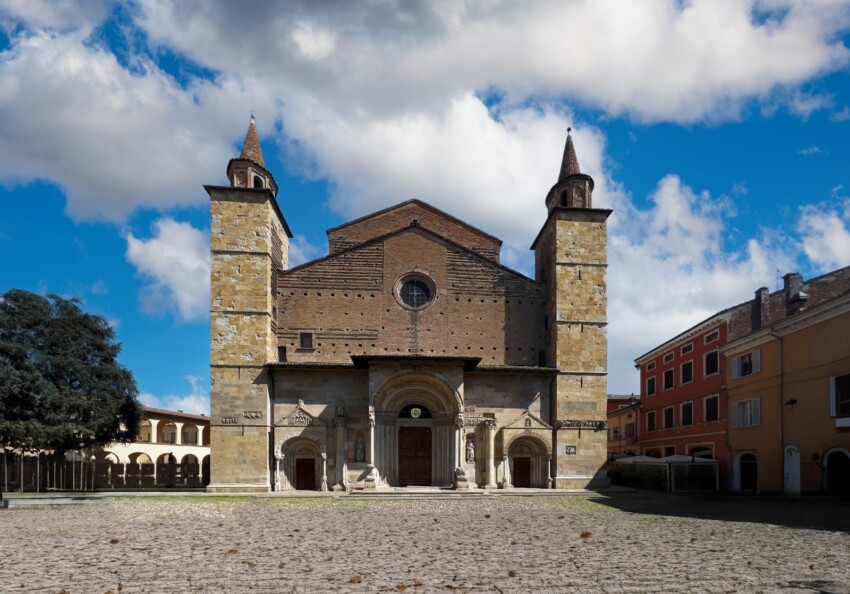
The Cathedral of San Donnino is undoubtedly Fidenza’s main attraction, thanks to its majestic proportions and its history linked to Donnino, who is said to have died at this very spot. Built between the eleventh and thirteenth centuries, the cathedral is an excellent example of Romanesque architecture with a façade designed by Benedetto Antelami. Antelami executed the façade with meticulous detail, adorning it with sculptures and bas-reliefs depicting the life of San Donnino and other biblical episodes.
The cathedral’s interior features three naves, with the central nave finely decorated and side chapels housing precious works of art. The crypt, situated beneath the main altar, is an evocative space containing the relics of San Donnino, which continue to attract numerous pilgrims.
Next to the cathedral stands the Cathedral Museum, which houses a rich collection of sacred art comprising liturgical objects, sculptures, paintings and ancient manuscripts dating from the eleventh to eighteenth centuries. The museum opened in 1999 to preserve the most precious objects that had previously been displayed in the Cathedral. Among the most significant works on display are a twelfth-century baptismal font and a sculpture of the Madonna enthroned with Child, created by Benedetto Antelami at the end of the thirteenth century.
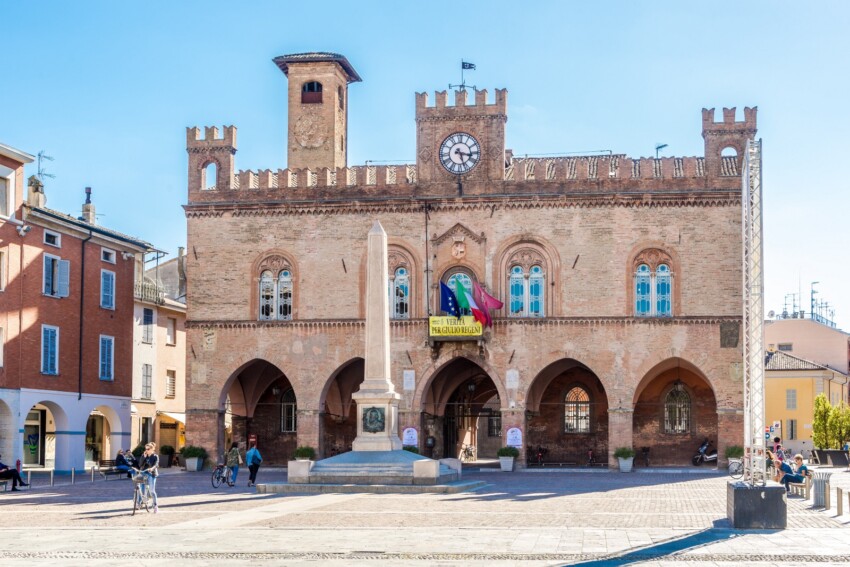
In the central Piazza Garibaldi stands the Palazzo Comunale, originally built in the Gothic style between 1273 and 1354 but subsequently destroyed and rebuilt multiple times. The main building underwent its first reconstruction in 1570, whilst the Neo-Gothic façade visible today dates to 1875.
Thanks to the work of Girolamo Magnani, the principal elevation was transformed during the nineteenth century, with the twin-light windows on the first floor being modified from triple-light openings and a Ghibelline battlement being added. At the start of the twentieth century, the lateral wings and rear section were built in the Neo-Gothic style. The Palazzo Comunale remains the seat of the city administration, and an obelisk dedicated to Giuseppe Garibaldi stands majestically in front of the entrance.
Behind the Palazzo Comunale stands the Magnani Theatre, considered a jewel of Italian theatrical architecture and named after the set designer Giuseppe Magnani (1815–1889), a native of Fidenza. The interior is richly decorated with frescoes and stuccowork, making it one of Emilia-Romagna’s finest theatres.
Construction of the theatre in neoclassical style began around 1813 according to a design by architect Nicolò Bettoli but was only completed in 1861 with a simplified plan compared to the original. The auditorium features a horseshoe-shaped layout with the typical three tiers of boxes plus an elegant gallery.
The theatre hosts a rich programme of theatrical performances, concerts and operas, attracting artists and audiences from across the region and is considered an unmissable destination for lovers of art and culture.
Built between 1710 and 1731 as the seat of the college of the Orsoline Sisters, Missionaries of the Sacred Heart of Jesus, the palazzo represents a remarkable example of Baroque architecture. Expropriated in 1805 during the Napoleonic suppression of religious orders, the building was first converted into a hospice for destitute women, then underwent several changes of use.
Today the site is home to Fidenza’s Palazzo della Cultura e delle Arti and houses the Luigi Musini Civic Risorgimento Museum and the Library. The large edifice features a symmetrical façade, a monumental marble entrance and is built around two courtyards. Inside, the former Orsoline chapel is still present, decorated with eighteenth-century frescoes attributed to Giuseppe Barbieri and now used as an auditorium.
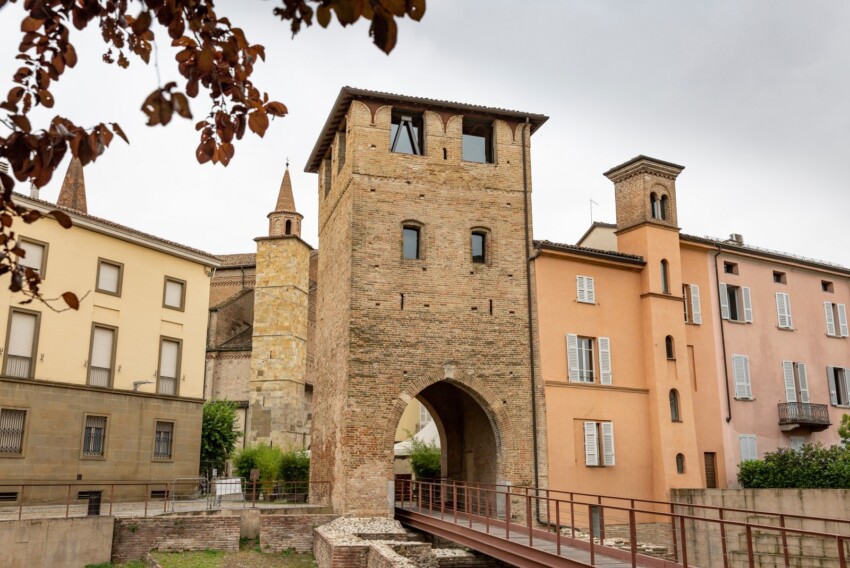
The Medieval Tower remains one of the few surviving elements of the city’s defensive system, first built by the Visconti in the fourteenth century. Fidenza was surrounded by city walls with several gates, among which you can still admire the Porta San Donnino, used by travellers coming from Piacenza along the Via Emilia. The tower is open to visitors and you can climb to the top to enjoy a spectacular panorama over the city and its surroundings. On the tower’s first floor is the Antiquarium, displaying various artefacts discovered during excavations in different parts of the city.
Fidenza is one of the most important stops on the Via Francigena, the ancient pilgrimage route that crosses Europe, connecting Rome to Canterbury. Trekking and history enthusiasts can walk a section of the route, which offers evocative views of the Emilian countryside and allows you to immerse yourself in a unique spiritual and cultural journey.
From Fidenza, you can follow an itinerary of approximately 20 km to reach Fiorenzuola, and along the way visit two beautiful Romanesque churches: the Abbey of Chiaravalle della Colomba and the former monastery of Castione Marchesi.
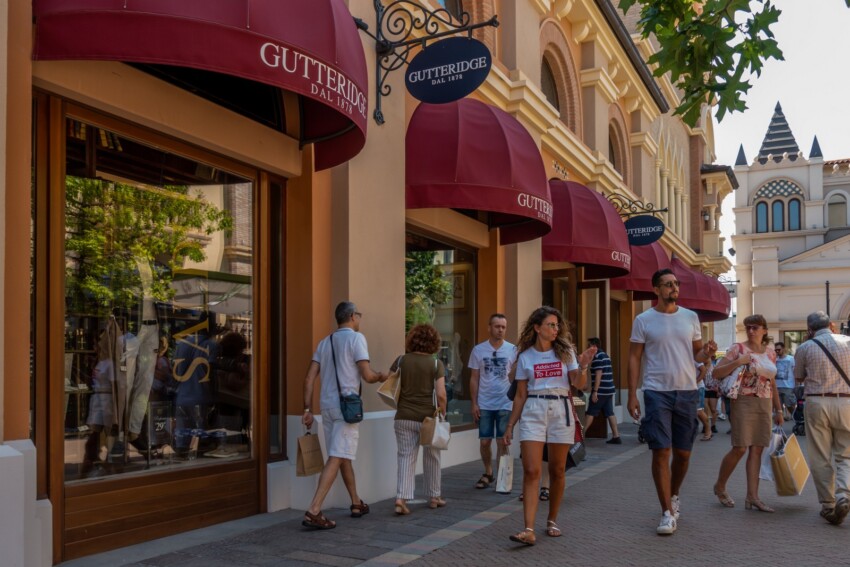
For shopping enthusiasts, a visit to Fidenza Village is practically unmissable, as this luxury outlet, located just a few kilometres from the city centre, offers a wide range of shops featuring the best Italian and international brands with excellent discounts. It’s the ideal place to spend a day shopping and making purchases at great prices. Fidenza Village boasts over 120 boutiques featuring fashion, beauty and lifestyle brands as well as restaurants and bars where you can enjoy the renowned local cuisine.
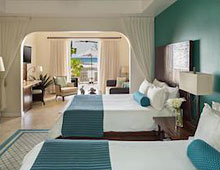
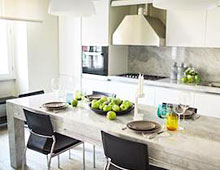
The choice of accommodation in Fidenza’s historic centre is not as extensive as in other major cities in the region, but it still offers various options to suit all types of traveller. The best area to stay is undoubtedly the historic centre, where you’ll find both high-end hotels and charming small bed-and-breakfasts.
Alternatively, for those seeking a more immersive experience in nature, the farm stays around Fidenza can be an excellent choice, as these establishments offer comfortable rooms and the opportunity to sample typical local produce, often grown or produced directly on site.
Fidenza is easily accessible from various Italian locations by car thanks to its strategic position and road connections. From Milan you can reach Fidenza in approximately 1 hour and 30 minutes by car travelling south along the A1 motorway, whilst from Bologna the journey takes approximately 1 hour, also on the A1. The city also lies on the Via Emilia, one of the region’s most important roads, and on the Via Francigena, which connects northern and southern Europe.
Fidenza’s railway station is an important hub on the line connecting Milan to Bologna, with numerous regional and intercity trains linking Fidenza to Italy’s principal cities. The train journey from Milan to Fidenza takes approximately 1 hour and 15 minutes, whilst from Bologna it takes approximately 1 hour. The nearest airport to Fidenza is Parma’s “Giuseppe Verdi” Airport, located approximately 25 km away and about 30 minutes’ drive.
What's the weather at Fidenza? Below are the temperatures and the weather forecast at Fidenza for the next few days.
Known to many as a shopping destination, Fidenza is a vibrant and welcoming town nestled in the heart of Emilia. The town lies 30 km from Parma, 130 km from Bologna and 230 km from Rimini.
 Hotel
Hotel 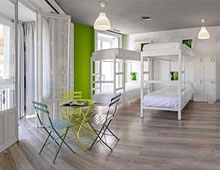 Budget accommodations
  Apartments
  Family Hotel
  Luxury Hotel
  Resorts