Bologna: City Center Walking Tour
4.088 reviews
Buy now
From 28,00€ per person
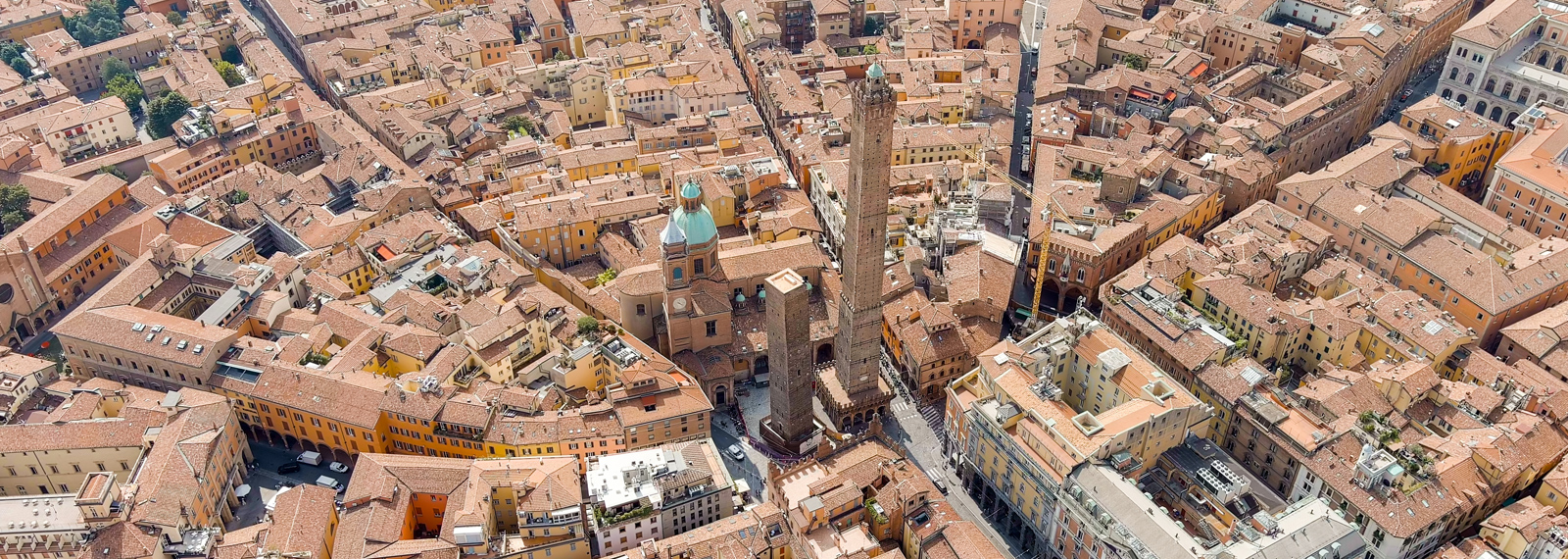
Known for its long history and university considered one of the oldest in the world, Bologna is the capital of the Emilia-Romagna region and a destination that preserves a fascinating blend of mediaeval, Renaissance and modern architecture. Founded by the Etruscans under the name Felsina, Bologna became a thriving Roman colony called “Bononia” and, thanks to its strategic position, has always been a hub of important commercial activities.
During the Middle Ages it developed into an independent city-state, allowing it to become an economic centre and, above all, a cultural hub that led to the founding of the University of Bologna in 1088, considered the oldest in the Western world. During the Renaissance, Bologna became an important centre of art that hosted artists of the calibre of Michelangelo, Filippino Lippi and Raphael, so that even today, walking through the city’s streets, you can admire numerous monuments, paintings and churches that testify to its glorious past.
Beyond being (and continuing to be) an active economic and cultural hub, Bologna is now renowned for its rich architectural heritage, vibrant city life and excellent cuisine. To its historical traditions are added culinary ones to such an extent that Bologna is famous for its rich gastronomic scene composed of some of the most celebrated dishes of Italian cuisine, such as Bolognese ragù, tortellini and mortadella.
To this is added a wide and varied calendar of local festivals and celebrations, such as the Santa Lucia Fair and the Feast of San Petronio, the city’s patron saint, which help keep cultural and religious traditions alive.
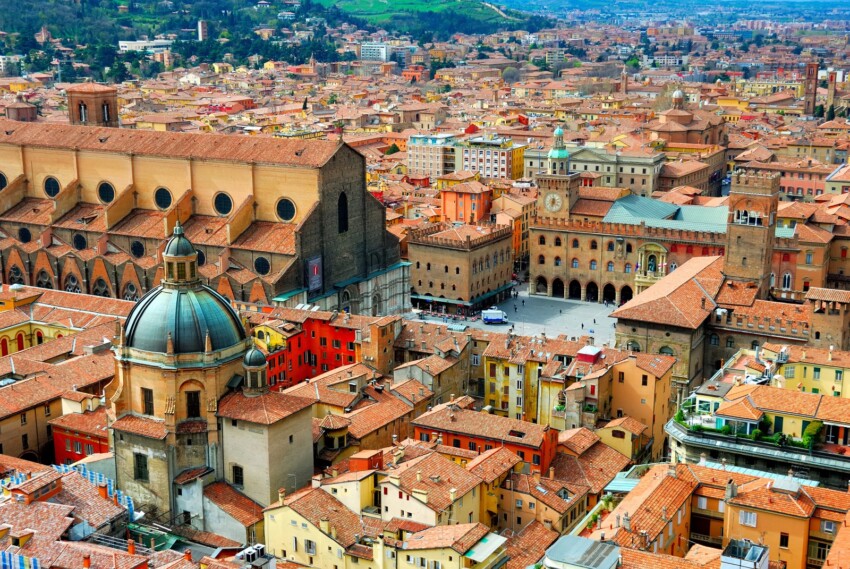
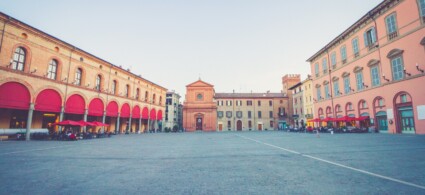
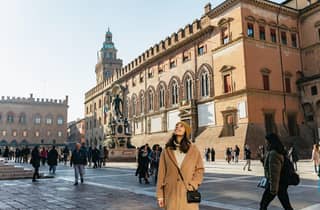
The historic centre of Bologna is a true open-air museum full of churches and monuments of great charm but is also a meeting place for locals and tourists and venue for numerous events and celebrations throughout the year. The heart of the city is Piazza Maggiore which hosts historic buildings such as Palazzo d’Accursio, the Basilica of San Petronio, Palazzo dei Banchi and Palazzo del Podestà.
The ideal starting point for exploring Bologna is Piazza Maggiore, also known as Piazza Grande, which is a large central square of mediaeval origin that represents the beating heart of the city and is often the venue for events and celebrations throughout the year. This square is overlooked by historic buildings of great importance, such as Palazzo d’Accursio, the seat of the Town Hall, Palazzo dei Banchi and Palazzo del Podestà, all of which were built in the mediaeval period and subsequently modified several times. The Basilica of San Petronio also overlooks the square, one of Italy’s largest churches, which houses wonderful frescoes inside and a sundial considered among the largest in the world.
Continuing your tour of the historic centre, you cannot miss a visit to the Asinelli Towers and the Garisenda Tower, undisputed symbols of the city that were built in the Middle Ages by important Bolognese families. The Asinelli Tower, at 97 metres high, is open to visitors and after climbing its 498 steps you can enjoy a breathtaking panoramic view over Bologna and the surrounding hills.
Just a few steps away is the Archiginnasio, the former seat of the University of Bologna which today houses the Archiginnasio Municipal Library and the Anatomy Theatre made of wood with statues of illustrious past physicians. Not far away, the Basilica of Santo Stefano is also worth visiting, known as the complex of the Seven Churches, a place of great spirituality that encompasses different churches, buildings and courtyards that offer a true path of faith and spirituality.
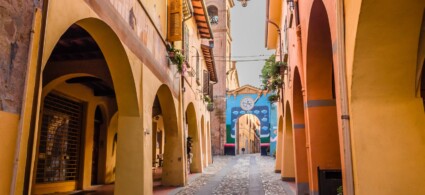
Finally, to fully immerse yourself in the lively atmosphere of Bologna, a stroll beneath the city’s famous arcades is a must, which extend for nearly 40 kilometres and have recently been recognised as a UNESCO World Heritage site. Beyond offering shelter on rainy days, the arcades house shops, numerous boutiques, bars and osterie where you can shop or savour local gastronomic products.
Among the most famous arcades in the city are certainly those of San Luca, which lead from Porta Saragozza to the Sanctuary of the Virgin of San Luca at the top of the Guasco hill. This is one of the most important religious sites in the entire region and a place of pilgrimage for the faithful, as for centuries it has housed an image of the Virgin said to have been created by the evangelist Luke.
Bologna offers a wide range of accommodation options, suitable for all budgets and needs: from large chains to small bed and breakfasts, found mainly in the historic quarters, from farm stays to apartments. If you’re unsure where to stay in Bologna, consider the historic centre (for example the San Donato, Saragozza and Santo Stefano quarters) which is certainly the ideal choice for those who want to be close to the main attractions, restaurants and want to enjoy the vibrant atmosphere of the city day and night.
The university area (the one occupying the north-eastern part of the centre) is the one that boasts numerous evening venues and bars at affordable prices, but for this very reason it is also the busier one. For those seeking greater tranquillity, the outlying quarters offer more economical facilities with easy access to the centre thanks to the public transport network, in particular the station area can be very convenient for those who need to get around. There are also many solutions such as farm stays nestled among the greenery of the surrounding hills that offer a truly unique experience in the name of peace and quiet.


Spring (April-May) and autumn (September-October) are the best times to visit Bologna, with mild and pleasant temperatures. The arcades provide shelter from rain and intense sun, making a visit pleasant in every season. Summer can be very hot, but evenings are enlivened by festivals and outdoor events such as Cinema in Piazza Maggiore.
Winter, although cold, offers the magical atmosphere of Christmas and the chance to savour the rich local cuisine at its best. Avoid the periods of major trade fairs, when hotels and restaurants are often fully booked.
Thanks to its strategic position in the heart of Italy, Bologna is easily accessible from the main Italian cities and is therefore also considered an important transport hub along the peninsula. The Emilian capital can be reached easily by car, train or plane. For those travelling by car, Bologna is served by numerous motorways, including the A1 (Milan-Naples), the A14 (Bologna-Taranto) and the A13 (Bologna-Padua), which make it accessible from all directions. Other important roads are the Bologna ring road, the State Road 9 Via Emilia which connects it with numerous locations in the region as well as with Lodi and Milan, and State Road 65 della Futa which connects it with Florence.
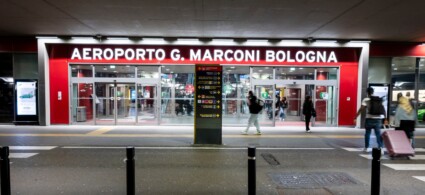
Bologna Centrale railway station is one of the most important in Italy as it connects the main cities on the peninsula but also allows you to reach European cities such as Zurich, Munich and Vienna; the main lines that pass through Bologna are those of Bologna-Milan, Bologna-Ancona-Bari, Bologna-Florence-Rome and Bologna-Venice. The Guglielmo Marconi airport offers domestic and international flights and is located just a few kilometres from the centre to which it is connected via the Marconi Express, a people mover that takes less than 10 minutes to travel from the airport to the city.
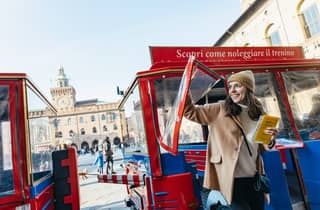
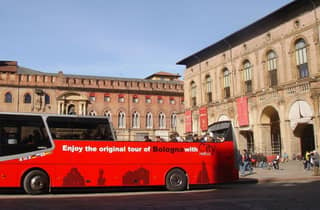
The historic centre of Bologna is best explored on foot, thanks to the characteristic arcades that offer 40 km of covered walkways. The urban bus network is efficient, with a night service that guarantees travel until late evening, while the red bus line connects the main points of tourist interest.
The bike sharing service “Mobike” is widely used, with numerous stations throughout the city. To reach the hills, in addition to dedicated buses, the San Luca Express shuttle is available. The ZTL restricts private cars from entering the historic centre, but numerous car parks with public transport connections to the centre are available.
What's the weather at Bologna? Below are the temperatures and the weather forecast at Bologna for the next few days.
The capital of Emilia-Romagna, Bologna is a charming city nestled between the Po Valley to the north and the Apennines to the south. This magnificent historic city lies 85 km from Ravenna, 100 km from Florence and 215 km from Milan.



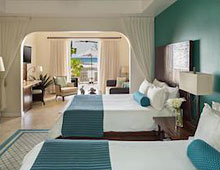 Hotel
Hotel 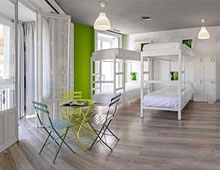 Budget accommodations
 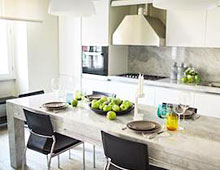 Apartments
  Family Hotel
 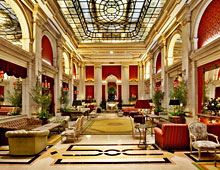 Luxury Hotel
  Resorts